
Former coal bunker and Padre Hurtado train station
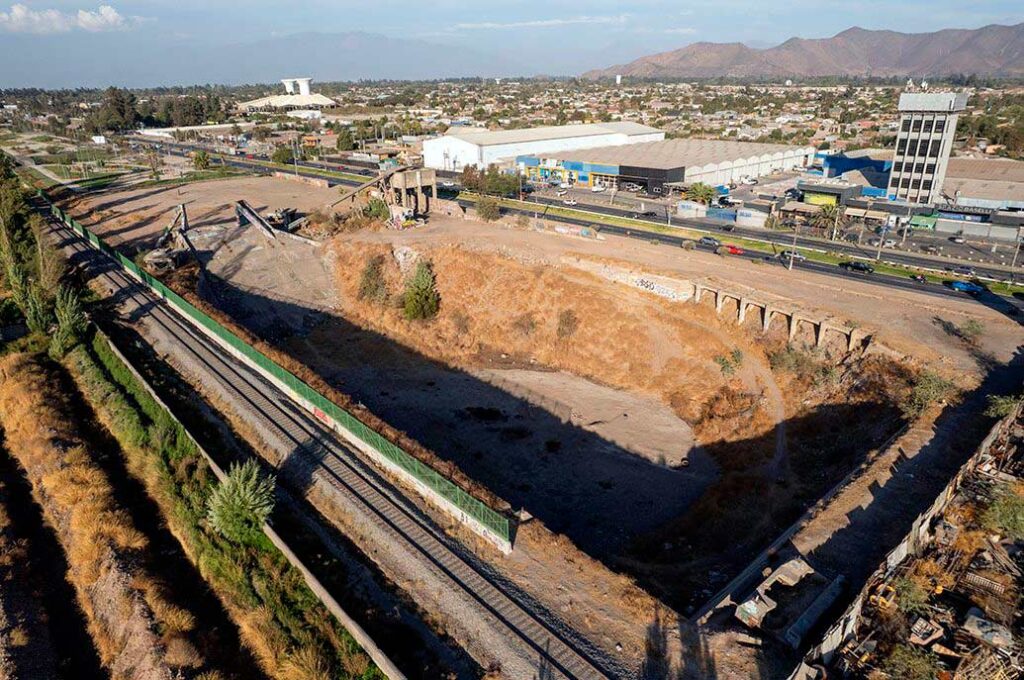
La antigua estación de trenes de Padre Hurtado fue construida en la década de 1890 y posibilitó la conexión entre Santiago-Cartagena, en la región de Valparaíso. Servía para el traslado de pasajeros y de la producción agrícola de la hacienda de Marruecos y la hacienda Santa Cruz. La Carbonera, por su parte, data de mediados del siglo XX, y suministraba carbón a Ferrocarriles del Estado. Hoy ambas estructuras se encuentran en desuso y se han transformado en un espacio simbólico de historia de la comuna que puede ser visitado en rutas guiadas.
Casona Montt or Hacienda Las Mercedes
Casona Patrimonial, hogar del presidente Manuel Montt y su familia, donde nació su hijo, el también presidente Pedro Montt. Esta edificación, construida entre 1830 y 1840, se caracteriza por su estilo neoclásico y forma parte de la historia de la comuna de María Pinto, y actualmente es visitada en rutas turísticas patrimoniales.
Vásquez Palace or Macul Castle
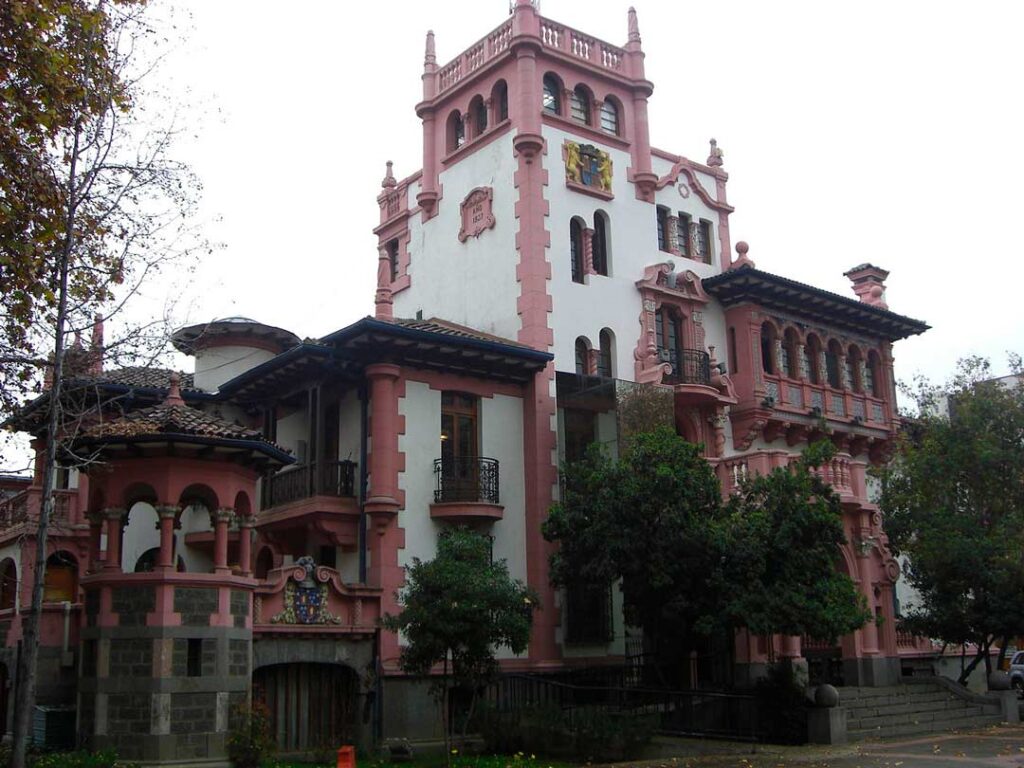
This historic building, declared a National Monument in 2009, currently serves as the headquarters of the Municipality of Macul. Built at the beginning of the 20th century, its 3-storey architecture is neo-colonial in style and has elements brought directly from León, Spain, and represents one of the last vestiges of the large country houses that characterised Macul Avenue in its origins.
Casona Don Aníbal Pinto
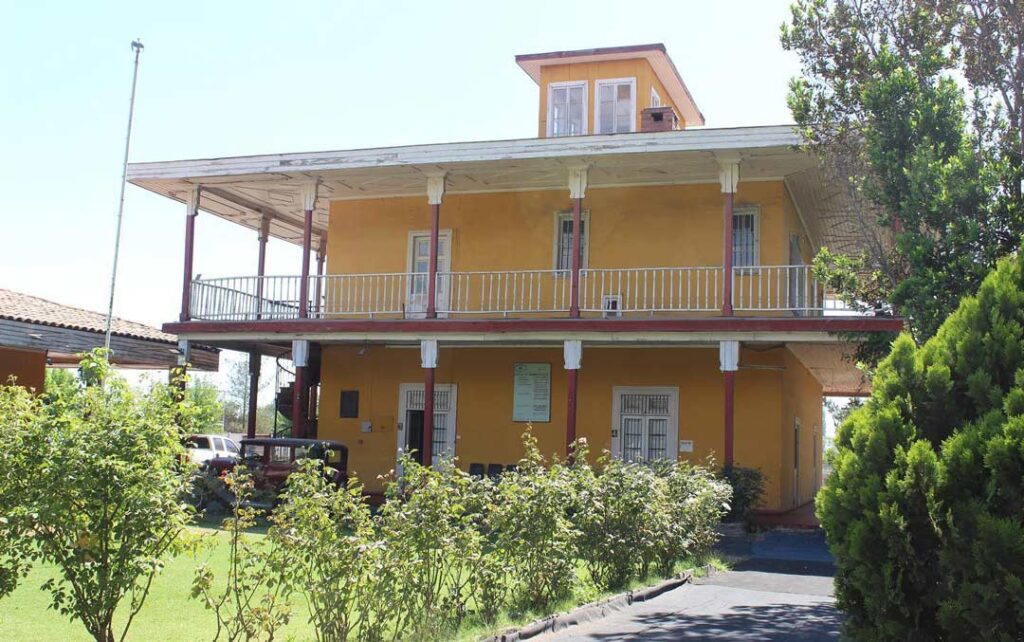
es una construcción histórica construida en 1865 que perteneció al ex presidente chileno Aníbal Pinto. Actualmente, alberga la Casa de la Cultura de la comuna, ofreciendo diversos talleres y actividades culturales para la comunidad.
Santiago Central Station
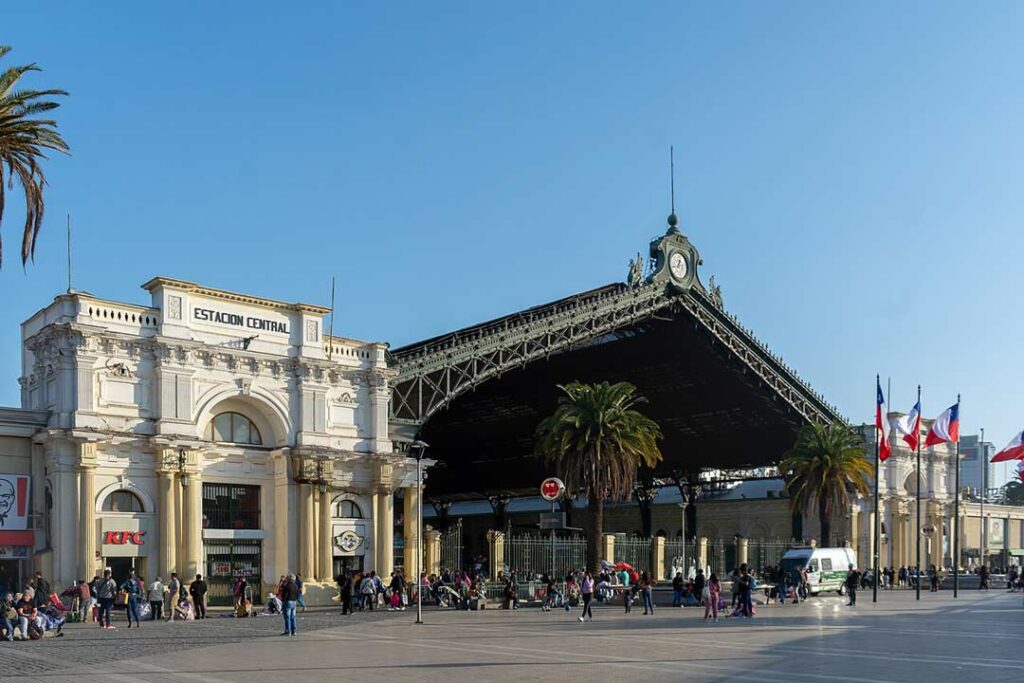
Originally Estación Central de los Ferrocarriles, this National and Historic Monument is the main railway terminal in Chile and head of the Southern Network of the State Railway Company (EFE). Inaugurated in 1857, the station has had three different buildings, but its current structure was originally built by the French firm Schneider-Creusot. Today, it also has attractive commercial premises and participates in art events in its open spaces.
House of the Carrera Brothers
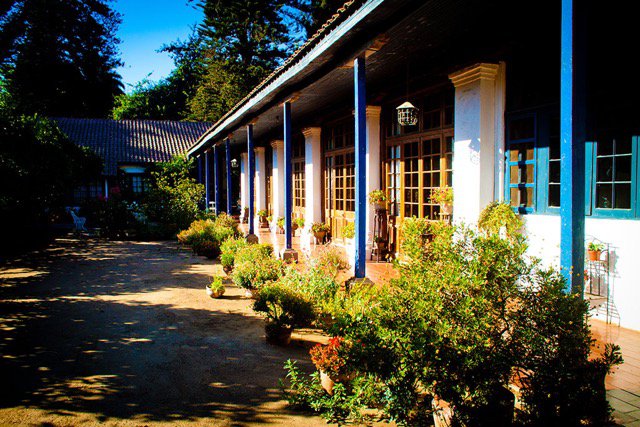
This historic house is an emblematic place in Chile, as it was the home of the Carrera brothers, key figures in the country's independence process. The mansion, built in the 18th century, stands out for its colonial architecture and has been declared a National Monument. It is currently a cultural centre that conserves objects and documents related to the Carrera family, offering a glimpse into their legacy and the history of the country.
Lo Martinez Cup
is one of the main heritage icons of the commune of El Bosque. Built in 1938, it was key to the agricultural development of the sector and to the settlement of the first families, becoming a reference of social and territorial identity. This historical landmark is still in force as a geographical and urban reference point, giving its name to the current Lo Martínez Metro station.
Conchalí Town Hall
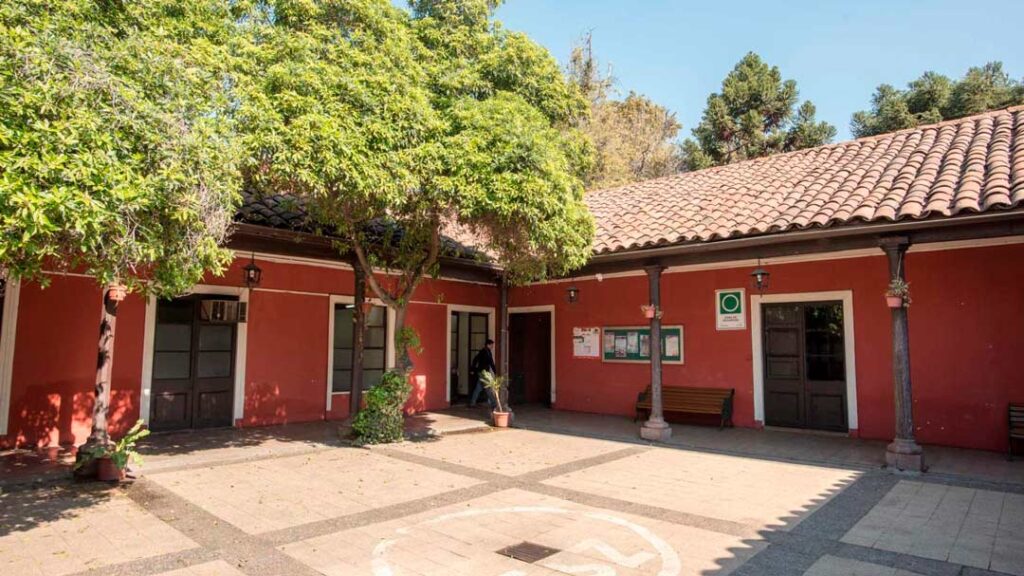
(Ex Patronal House of the Chacra Lo Negrete): This Historic Monument is a vestige of the way of life of the Santiago families of the late XIX and early XX centuries, who built their houses in the plots of land of the estates or in the farms that surrounded the capital. The architectural value lies in its simple lines, with a one-storey house with adobe walls and interior adobillo partition walls, and a colonial tile roof. From an architectural point of view, it is the only construction of these characteristics in the commune, which is why over the years it has become a source of collective memory and a meeting place for its inhabitants.
Monument to the Victory of Chacabuco and viewpoint of the Chacabuco slope cross
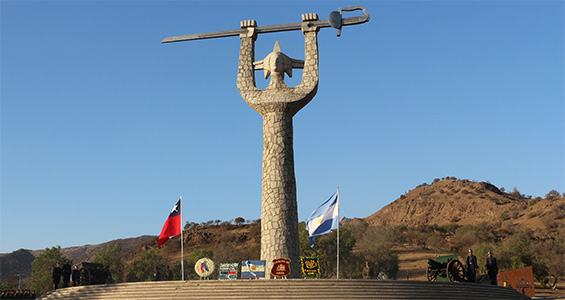
Este monumento conmemora la histórica Batalla de Chacabuco de 1817, un hito clave en la independencia de Chile. Diseñado por el escultor argentino Luis Perlotti, la estructura destaca por su imponente cruz y figuras que simbolizan la libertad y la unión de las tropas patriotas. Es un lugar de gran valor histórico y un punto panorámico ideal para reflexionar sobre el pasado del país. Situado en el mirador, ofrece espectaculares vistas de los valles y montañas circundantes.
Former Gunpowder Factory
Founded in the 19th century, it was one of the main facilities dedicated to the production of gunpowder in the country, playing a strategic role during the period of Independence and in the years that followed. Today, its ruins, declared a National Monument, offer a glimpse into Chile's industrial past and are a point of interest for those who enjoy heritage tourism. The factory is surrounded by a rural setting that adds an air of tranquillity and mystery to the site, making it an attractive destination for explorers and history lovers.