
Cementerio General de Santiago
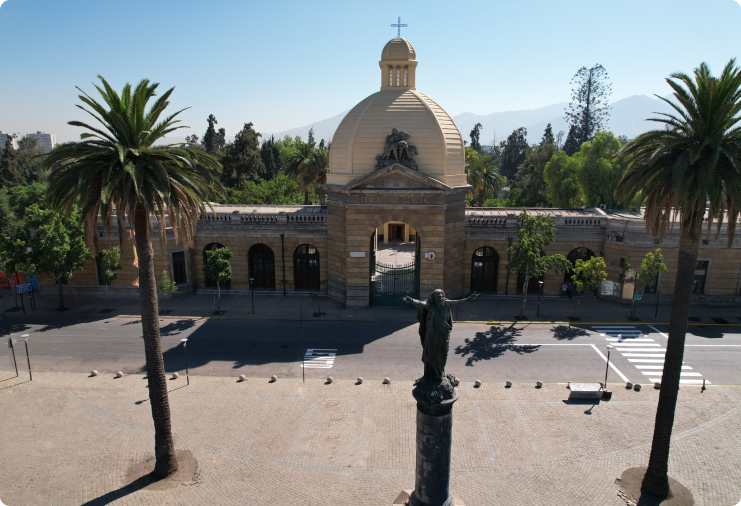
Uno de los camposantos más grandes e históricos de Latinoamérica, cuenta con 86 hectáreas de extensión. Funciona como un inmenso museo al aire libre que alberg a más de dos millones de personas, incluyendo a presidentes de Chile, figuras históricas, y monumentos artísticos, siendo declarado Monumento Histórico de nuestro país.
Centro Cultural Estación Mapocho
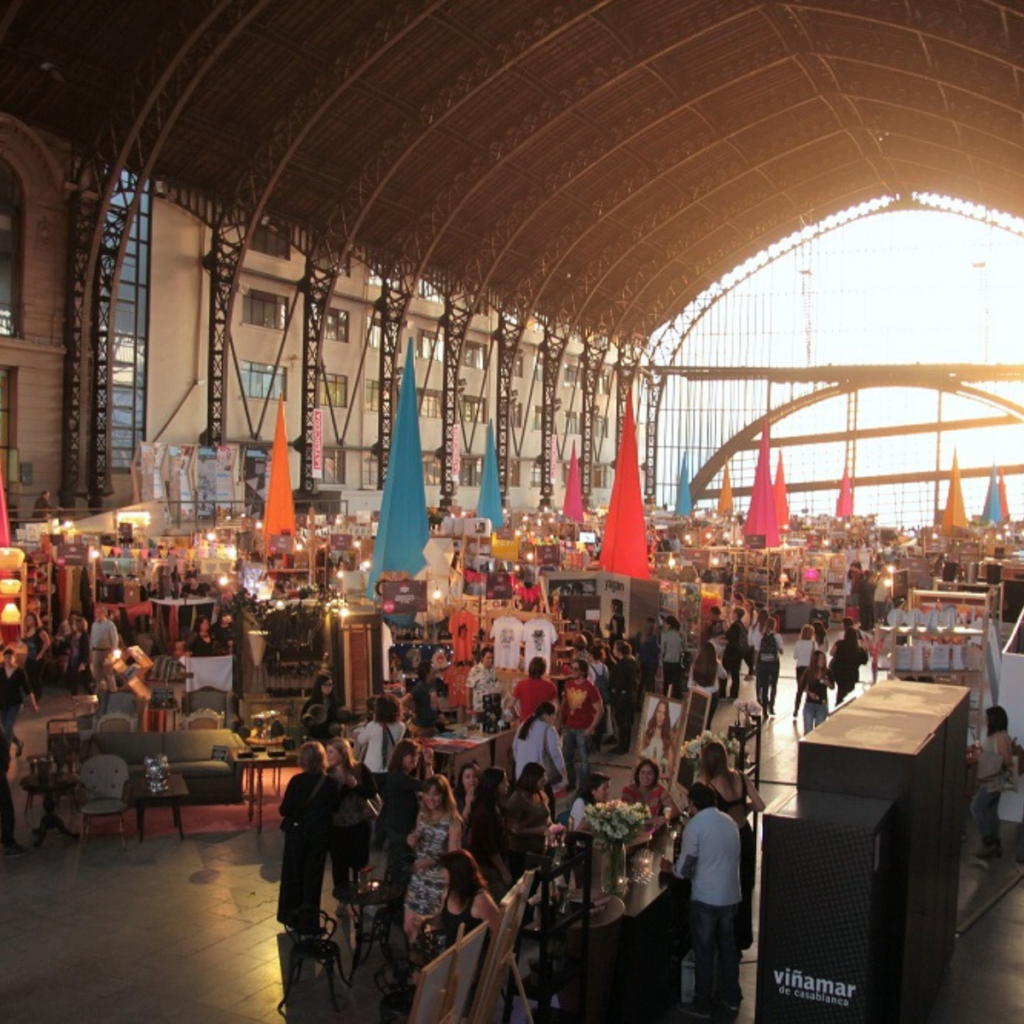
Uno de los espacios patrimoniales más emblemáticos de Santiago, destaca por su arquitectura de estilo neoclásico y su amplia oferta cultural, que incluye ferias, exposiciones, congresos y eventos artísticos.
Población Obrero Ferroviaria of San Bernardo
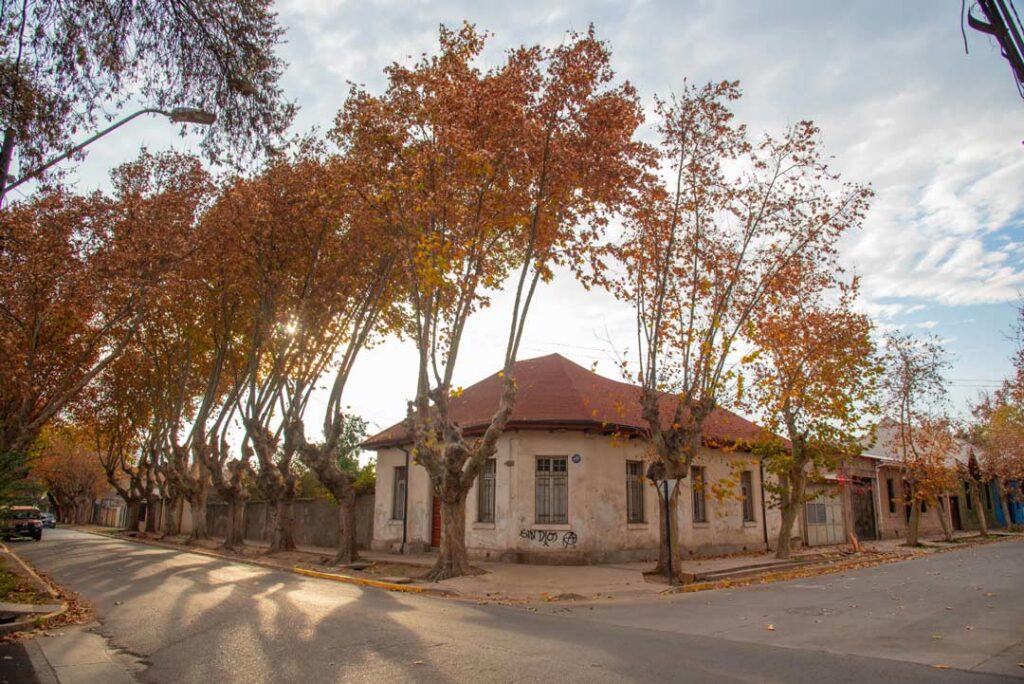
A National Monument in the category of typical or picturesque area, it brings together the architectural conditions of the workers' dwellings of the beginning of the 20th century, being a living representation of the industrial railway development of the first half of the 20th century and a testimony to the urban evolution of the commune of San Bernardo.
The House of Culture of Talagante
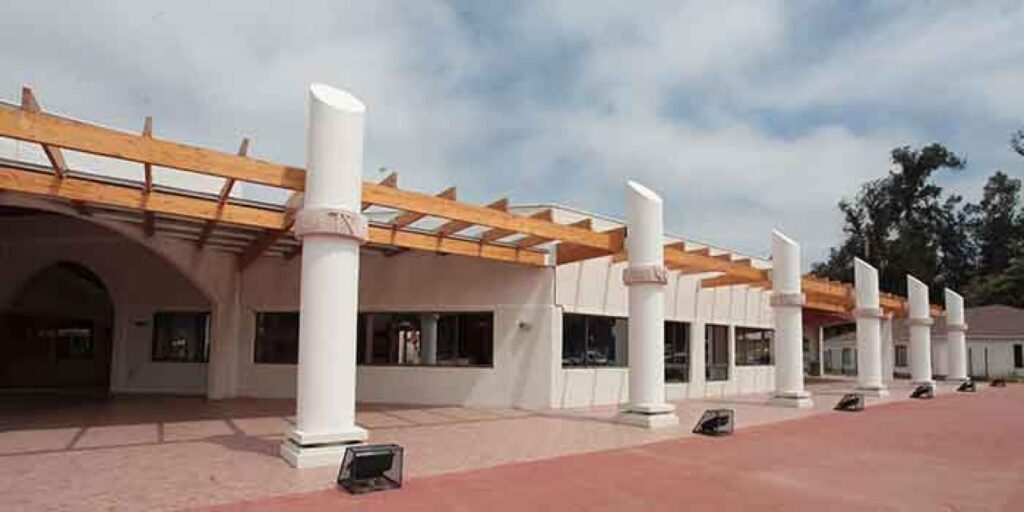
is a key space for the artistic and heritage development of the commune, which invites you to discover the local identity through art and creation. The venue has an auditorium, exhibition rooms, a recording room and artistic workshops, offering a varied cultural programme throughout the year.
One of its main attractions is its museum, where a valuable collection of Talagante's polychrome pottery is exhibited, a nationally recognised artisan expression that rescues traditions, colours and scenes of the daily life of the territory. A must for those looking for authentic cultural experiences in the surroundings of Santiago.
Manuel Rodriguez Monument
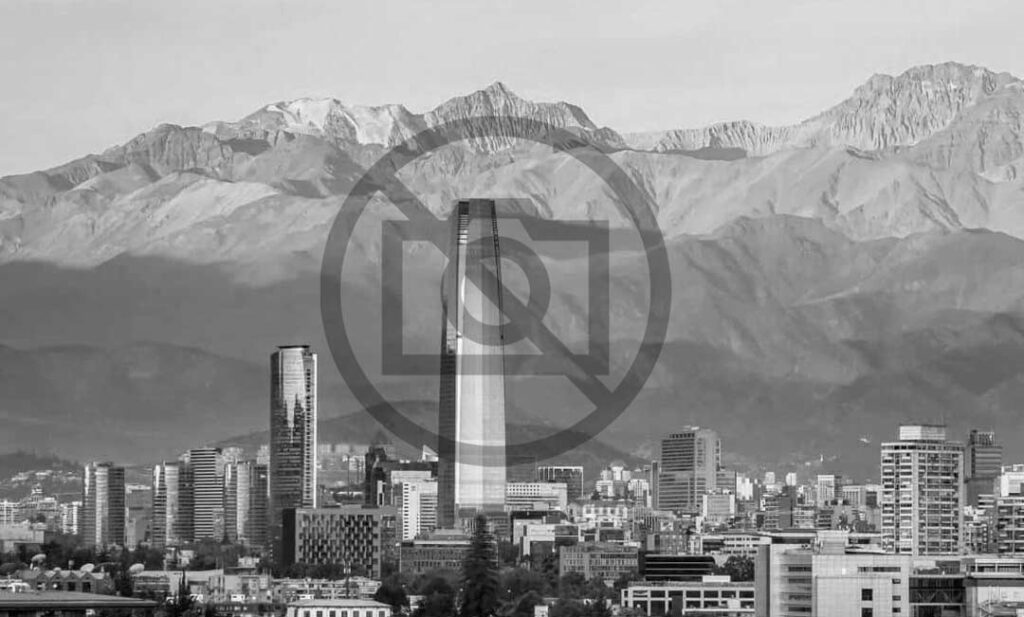
Sitio de alto valor histórico y simbólico, ubicado en el sector conocido como Cancha del Gato, lugar donde el héroe de la Independencia fue asesinado el 26 de mayo de 1818 mientras era trasladado prisionero desde Santiago a Valparaíso. Este espacio invita a conocer uno de los episodios más significativos del proceso independentista chileno. El conjunto monumental combina distintas expresiones artísticas y épocas: desde el actual monumento de piedra tabón, inaugurado en 1984, que incluye un busto del prócer realizado por el escultor Galvarino Ponce, hasta la imponente escultura de fierro instalada en 2007, obra del artista Carlos Carmona Berrios, que representa a Manuel Rodríguez a caballo y rinde homenaje a su espíritu libertario. Un lugar imperdible para quienes buscan conectar con la historia y la identidad de Chile.
La Casona Patronal Hacienda Polpaico
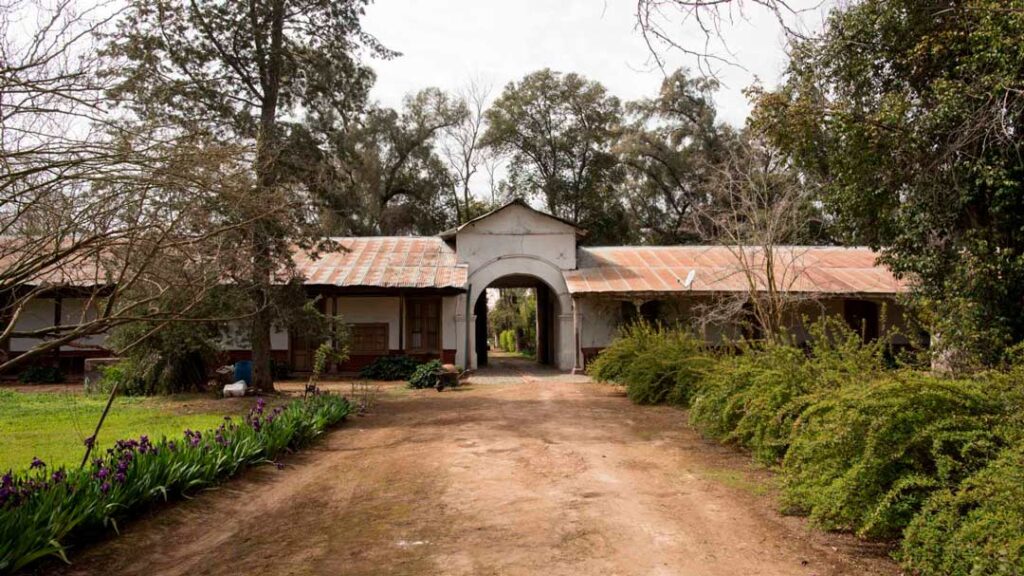
is an outstanding National Monument and a must-see for lovers of Chilean heritage and history. This elegant architectural ensemble preserves a wide access park, an imposing central hall and corridors that connect old halls, a chapel and cellars, reflecting the life of the traditional colonial haciendas. Besides its architectural value, the place has a deep historical significance: the first conspiracy for the Independence of Chile took place here, led by its owner, José Antonio de Rojas, making it a site of high cultural interest in the Metropolitan Region.
Heritage Train El Melocotón Station
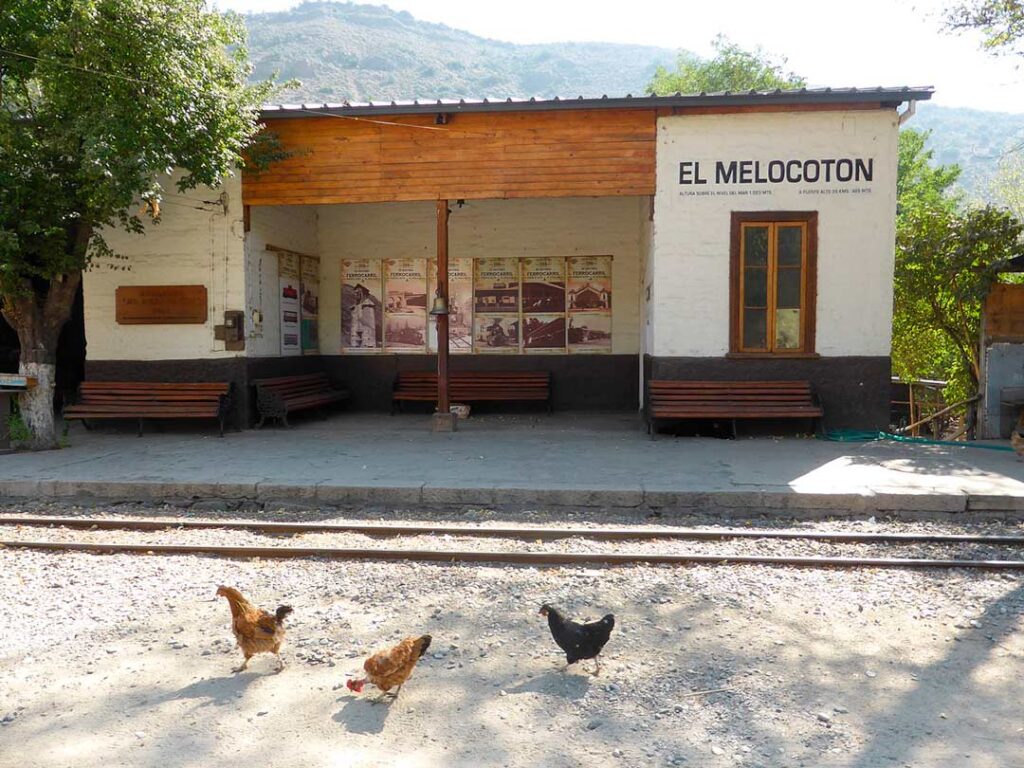
The train station that used to connect San José de Maipo and the neighbouring commune of Puente Alto in the 80’s, is now a heritage centre that revives the history of the trains of Santiago thanks to its former engineer Luis León, which can be visited, learn about its history and take a brief tour in the restored military locomotive that has its own track of a little more than a kilometre, which fascinates young and old alike.
Casona Montt or Hacienda Las Mercedes
Casona Patrimonial, hogar del presidente Manuel Montt y su familia, donde nació su hijo, el también presidente Pedro Montt. Esta edificación, construida entre 1830 y 1840, se caracteriza por su estilo neoclásico y forma parte de la historia de la comuna de María Pinto, y actualmente es visitada en rutas turísticas patrimoniales.
Former coal bunker and Padre Hurtado train station
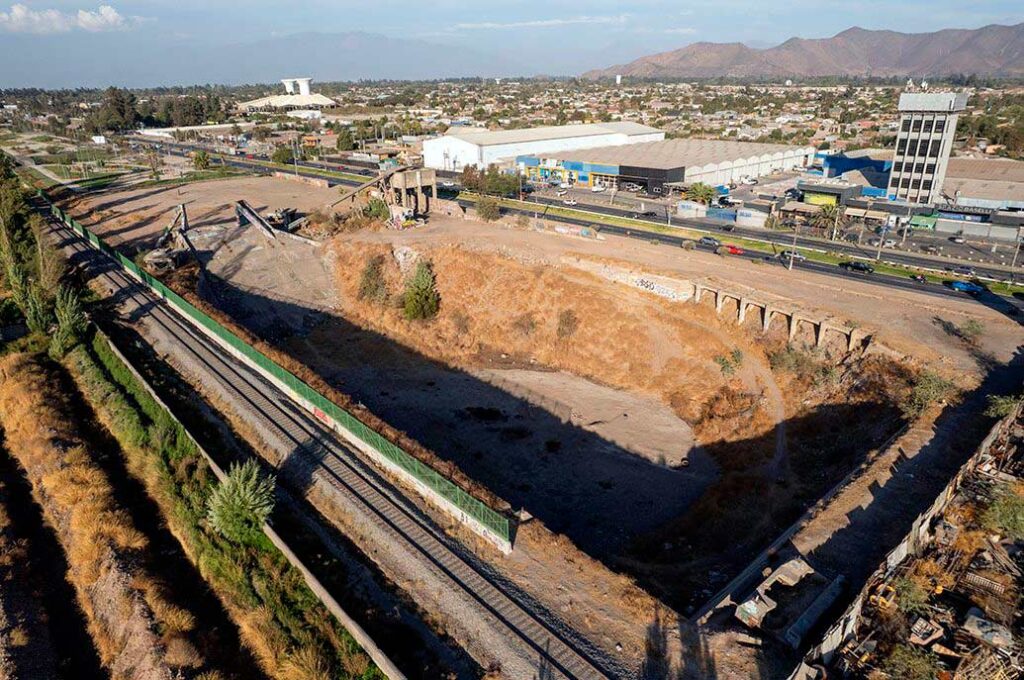
La antigua estación de trenes de Padre Hurtado fue construida en la década de 1890 y posibilitó la conexión entre Santiago-Cartagena, en la región de Valparaíso. Servía para el traslado de pasajeros y de la producción agrícola de la hacienda de Marruecos y la hacienda Santa Cruz. La Carbonera, por su parte, data de mediados del siglo XX, y suministraba carbón a Ferrocarriles del Estado. Hoy ambas estructuras se encuentran en desuso y se han transformado en un espacio simbólico de historia de la comuna que puede ser visitado en rutas guiadas.
Vásquez Palace or Macul Castle
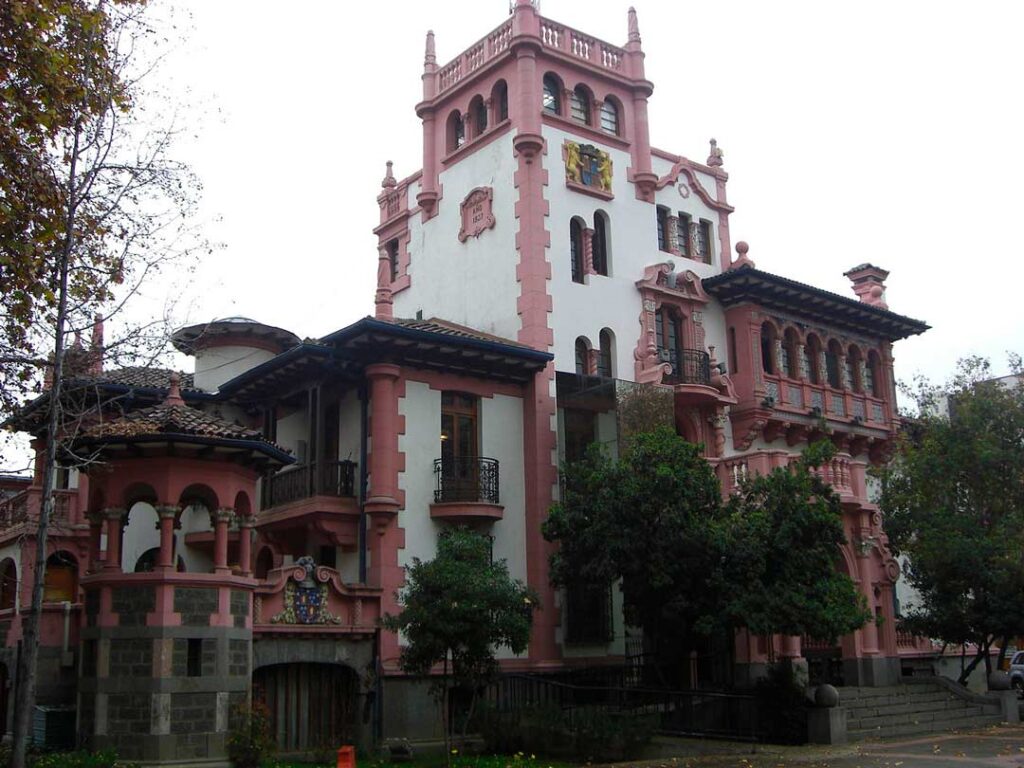
This historic building, declared a National Monument in 2009, currently serves as the headquarters of the Municipality of Macul. Built at the beginning of the 20th century, its 3-storey architecture is neo-colonial in style and has elements brought directly from León, Spain, and represents one of the last vestiges of the large country houses that characterised Macul Avenue in its origins.